
Environment Dimension
Environmental Performance Results

Energy Gasoline/Gasohol
Diesel fuel consumption
Electricity consumption
Water consumption
Paper consumption A4 & A3 (White)

Scope 1: Direct Emissions
Scope 2: Indirect Emissions from Purchased Energy
Scope 3: Other Indirect Emissions
Climate Change Crisis
The changing climate has far-reaching impacts both nationally and globally, creating risks related to the environment and other natural disasters.
For example, flooding events directly damage the company’s assets and disrupt business operations, including the activities of loan customers, potentially impacting the company’s performance. Therefore, the company has implemented activities to demonstrate environmental responsibility and mitigate impacts such as establishing measures to reduce electricity usage, promoting efficient water use, and campaigning for waste segregation and management.

The company recognizes the importance of changes that have wide-ranging impacts and has therefore established the Sustainability and Corporate Governance Committee (ESG Management Committee), or "ESGM". This committee is responsible for overseeing, managing, and addressing environmental matters within the organization, fostering awareness and understanding, and defining frameworks and strategies for genuine sustainability in the organization. Additionally, it collaborates with the company's risk management team to assess corporate risks. The committee began by examining surrounding factors that create impacts, leading to the development of various initiatives as follows:
Environmental Performance Results
The company summarized environmental performance and management efforts as follows:

Efficient Water Management
The company recognizes that electricity is a critical energy source for business operations, essential in almost every stage of work processes. With organizational growth and branch expansion, electricity consumption has increased, leading to higher costs and environmental pollution. To address this, the company has launched energy-saving campaigns at headquarters to foster awareness among employees about conserving electricity. These include turning off air conditioning before the end of work hours, using energy-efficient electrical appliances such as LED lighting, air conditioners, and other equipment, and holding virtual meetings to replace in-person meetings that require travel.
| Water consumption | 2023 | 2024 | 2025 | 2026 onwards |
|---|---|---|---|---|
| Short-term Target(s) | - | Reduction of water withdrawal by 1–3% | Reduction of water withdrawal by 1–3% | |
| Long-term Target(s) | - | - | - | Reduction of water withdrawal by 3–5% |
| Total Water Consumption (cubic meters) | - | 1,199.00 | 1,576.00 | - |
| Total water withdrawal expense (Baht) | 12,223.39 | 33,639.67 | 42,139.08 | - |

Performance in 2025
In 2025, water consumption across branch operations increased by 31% compared to 2024, in line with business expansion. The Company is currently in the process of developing water management approaches and measures to better align with its growth and to minimize environmental impacts over the long term. The Company also plans to establish clearer targets and improve water-use efficiency in the future.
Supporting sustainable resource management


Energy Management (Fuel Usage)
Currently, the company's operations still rely on fuel energy, which remains unavoidable. With a steadily expanding customer base and an increasing number of loans each month, fuel consumption continues to rise. However, the company remains mindful of the impact of greenhouse gas emissions, a primary cause of global warming and climate change.
| Energy Consumption | 2023 | 2024 | 2025 | 2026 onwards |
|---|---|---|---|---|
| Short-term Target(s) | - | Reduce fuel consumption by 1-3% | Reduce fuel consumption by 1-3% | |
| Long-term Target(s) | - | - | - | Reduce fuel consumption by 5% |
| Diesel (liters) | 65,229.08 | 35,956.98 | 13,240.55 | - |
| Gasoline (liters) | 89,617.77 | 75,045.98 | 22,970.91 | - |
| Total Fuel Consumption (liters) | 154,846.85 | 110,002.96 | 36,211.46 | - |
| Total fuel expense (Baht) | 5,466,321.22 | 3,980,965.80 | 1,222,173.29 | - |

Performance in 2025
In 2025, total fuel consumption decreased by 67% compared to 2024. The reduction was primarily driven by changes in operational activities and improved efficiency in work processes. This resulted in lower fuel consumption, reduced energy costs, and decreased carbon dioxide (CO₂) emissions from vehicle use. The Company will continue to explore appropriate measures, including the adoption of digital processes, to further enhance efficiency and support its long-term low-carbon goals.

Energy Management (Electricity Usage)
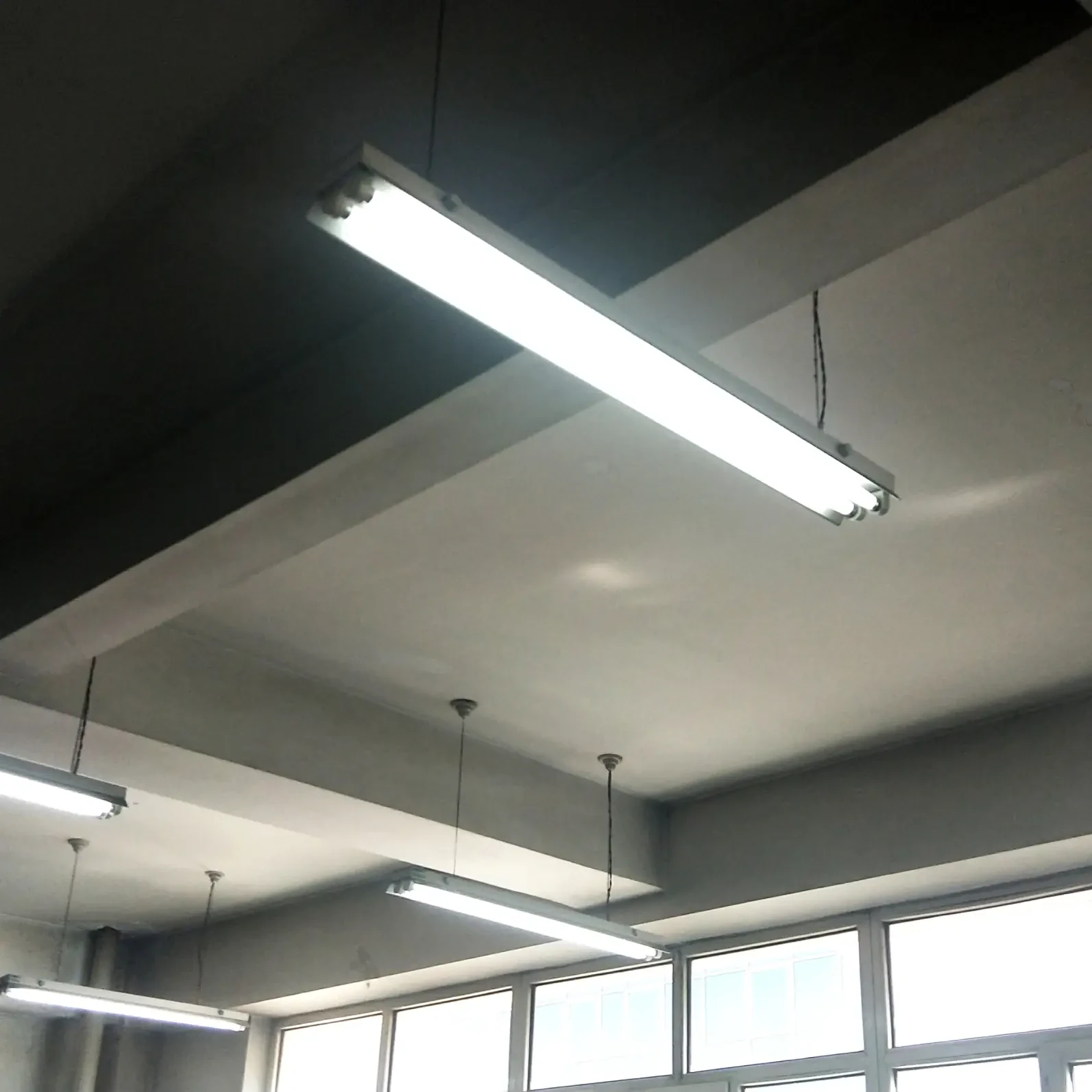
The company recognizes that electricity is a critical energy source for business operations, being essential in almost every step of work processes. With the organization's growth and the expansion of branches, electricity consumption has increased, leading to higher costs and greater environmental pollution. To address this, the company has initiated energy-saving campaigns at headquarters to raise awareness among employees about conserving electricity in the office. These efforts include turning off air conditioning before the end of work hours, using energy-efficient electrical appliances such as LED lighting, air conditioners, and other equipment, and conducting virtual meetings as a substitute for traveling to in-person meetings.
| Electricity Consumption | 2023 | 2024 | 2025 | 2026 onwards |
|---|---|---|---|---|
| Short-term Target(s) | - | Reduction of Electricity Consumption 1-3% | Reduction of Electricity Consumption 1-3% | |
| Long-term Target(s) | - | - | - | Reduction of Electricity Consumption 5% |
| Total electricity consumption within the organization (Kilowatt-Hours) | 5,074.00 | 94,324.00 | 103,689.00 | |
| Total electricity expense (Baht) | 282,710.74 | 698,052.33 | 548,777.84 | - |
Performance in 2025
In 2025, total electricity consumption increased by 10% compared to 2024, primarily due to business expansion. Nevertheless, the Company has continuously implemented energy management measures to improve electricity efficiency across all operations, particularly through appropriate control of energy usage at its head office and branch locations.

Efficient Resource Utilization
Natural resources are fundamental to human well-being and sustainable development. The Company therefore places great importance on maximizing the efficient use of natural resources and materials in order to minimize environmental impacts and maintain ecological balance. At the same time, operational processes are continuously improved in line with the Circular Economy concept to reduce procurement costs, minimize waste, and enhance operational efficiency throughout the value chain
| Paper Consumption | 2023 | 2024 | 2025 | 2026 onwards |
|---|---|---|---|---|
| Short-term Target(s) | - | Reduce paper in SGC Operations 1-3% | Reduce paper in SGC Operations 1-3% | - |
| Long-term Target(s) | - | - | - | Long-term Target(s) 5% |
| Total A4/A3 Paper Consumption (kg) | - | 2,769 | 2,374 | - |

Performance in 2025
In 2025, the Company reduced paper consumption from its operations by 14% compared to 2024. Total paper usage amounted to 516,000 sheets, decreasing from 602,000 sheets in the previous year. This achievement reflects the effectiveness of the Company’s resource management measures. Process improvements and the adoption of digital systems in place of paper-based documentation have contributed to reducing resource consumption within office operations, while simultaneously lowering operational costs. These initiatives have also enhanced convenience, speed, and flexibility in serving customers and business partners.

Waste, Hazard, and Pollution Management
The impacts of climate change partly stem from waste disposal, including hazardous waste and non-hazardous waste. The company places importance on waste management and strictly complies with legal requirements. The company applies the principles of the Circular Economy alongside waste management practices, adopting the 3R approach: 1). R-Reduce: Reduce the use and consumption of unnecessary resources. 2) R-Reuse: Maximize resource efficiency by reusing materials. 3) R-Recycle: Utilize resources that can be recycled to reduce waste generation, landfill disposal, and emissions into the environment.
The company also plans for emergencies using appropriate methods and organizes Big Cleaning Day activities to manage workplace resources, clean the premises, reduce unnecessary materials, and appropriately sort and dispose of items that no longer benefit the workplace or the environment.
| Waste Management | 2023 | 2024 | 2025 | 2026 onwards |
|---|---|---|---|---|
| Short-term Target(s) | - | Reduce non-hazardous waste at head office by 1–3% and increase reuse/recycle rate by 1–3% | Reduce non-hazardous waste at head office by 1–3% and increase reuse/recycle rate by 1–3% | - |
| Long-term Target(s) | - | - | - | Reduce non-hazardous waste at head office by 1–3% and increase reuse/recycle rate by 1–3% |
| Non-hazardous Waste (kg) | ||||
| Reuse / Recycle (kg) | 128.00 | 431.00 | 105.00 | - |
| Disposal (kg) | - | 1,192.00 | 1,233.00 | - |
| Landfilling (kg) | 886.00 | 1,213.00 | 1,982.00 | - |
| Total Non-hazardous Waste (kg) | 1,014.00 | 2,836.00 | 3,320.00 | - |
| Hazardous Waste (kg) | ||||
| Reuse / Recycle (kg) | - | - | - | - |
| Disposal (kg) | 1.50 | - | - | - |
| Landfilling (kg) | - | - | - | - |

Performance in 2025
In 2025, the Company reported no hazardous waste generated from its operations at the head office, reflecting effective management of internal activities and environmental risk control.
However, total non-hazardous waste at the head office increased by 17% compared to 2024. This increase was primarily driven by a higher number of internal activities and projects, resulting in greater use of materials and packaging in line with expanded operations.
The Company has initiated enhanced waste management practices, including campaigns to reduce the use of consumable materials, promotion of waste segregation within the organization, and increasing the proportion of reuse and recycling. These efforts aim to better control waste generation and support the Company’s waste reduction targets going forward.
Management to Mitigate Greenhouse Gas Issues
The company’s operations involve the use of various fuels, including electricity and vehicle fuel, which contribute to greenhouse gas emissions such as particulates, carbon monoxide (CO), and carbon dioxide (CO2) being released into the atmosphere. The company places significant importance on participating in efforts to reduce greenhouse gas emissions caused by operations. These efforts include reducing energy consumption and minimizing the use of fuel for vehicles.
| Greenhouse gas management | 2023 | 2024 | 2025 | 2026 onwards |
|---|---|---|---|---|
| Short-term Target(s) | - | Reduced by 1-3% | Reduced by 1-3% | - |
| Reduced by 1-3% | - | - | - | Reduced by 3-5% |
| Total GHG emissions (Metrics tonne of carbon dioxide equivalents) | 387.18 | 321.52 | 146.97 | - |
| Scope 1 (Metric tonnes of carbon dioxide equivalent) | 379.42 | 266.58 | 87.72 | - |
| Scope 2 (Metric tonnes of carbon dioxide equivalent) | 2.54 | 47.25 | 51.83 | - |
| Scope 3 (Metric tonnes of carbon dioxide equivalent) | 5.22 | 7.69 | 7.42 | - |

Performance in 2025
In 2025, greenhouse gas emissions decreased by 54% compared to 2024, driven by the Company’s continuous implementation of energy and resource management measures, particularly the reduction in fuel consumption from its vehicle operations. This resulted in a significant decrease in greenhouse gas emissions compared to the previous year.
Key outcomes from these efforts include a reduction in fuel consumption from operational vehicles and a decrease in carbon dioxide equivalent (CO2e) emissions from business activities. These efforts support the Company’s ongoing transition toward lower greenhouse gas emissions and align with its long-term low-carbon business objectives.
